
Innovation is respect for origin
Why simply replicating Italian cheesemaking won’t work in India
Vladimir Amitrano, Founder - Mondolat
The desire to create Italian-quality mozzarella often leads producers to believe “copy-pasting” the exact process is the answer. But this belief overlooks a simple fact, that cheesemaking depends on its environment. Four crucial variables - climate, milk quality, processing, and labour - determine the quality of mozzarella, and they all differ between India and Italy.
The Climate Clash
Italy’s mild, temperate weather is ideal for fermentation and handling delicate fresh cheese. In contrast, India’s tropical climate is hot, humid, and unpredictable. This accelerates spoilage and makes traditional Italian processes unstable. Traditional milk processing methods may struggle or behave unpredictably in India, leading to inconsistent results.
The Milk Difference
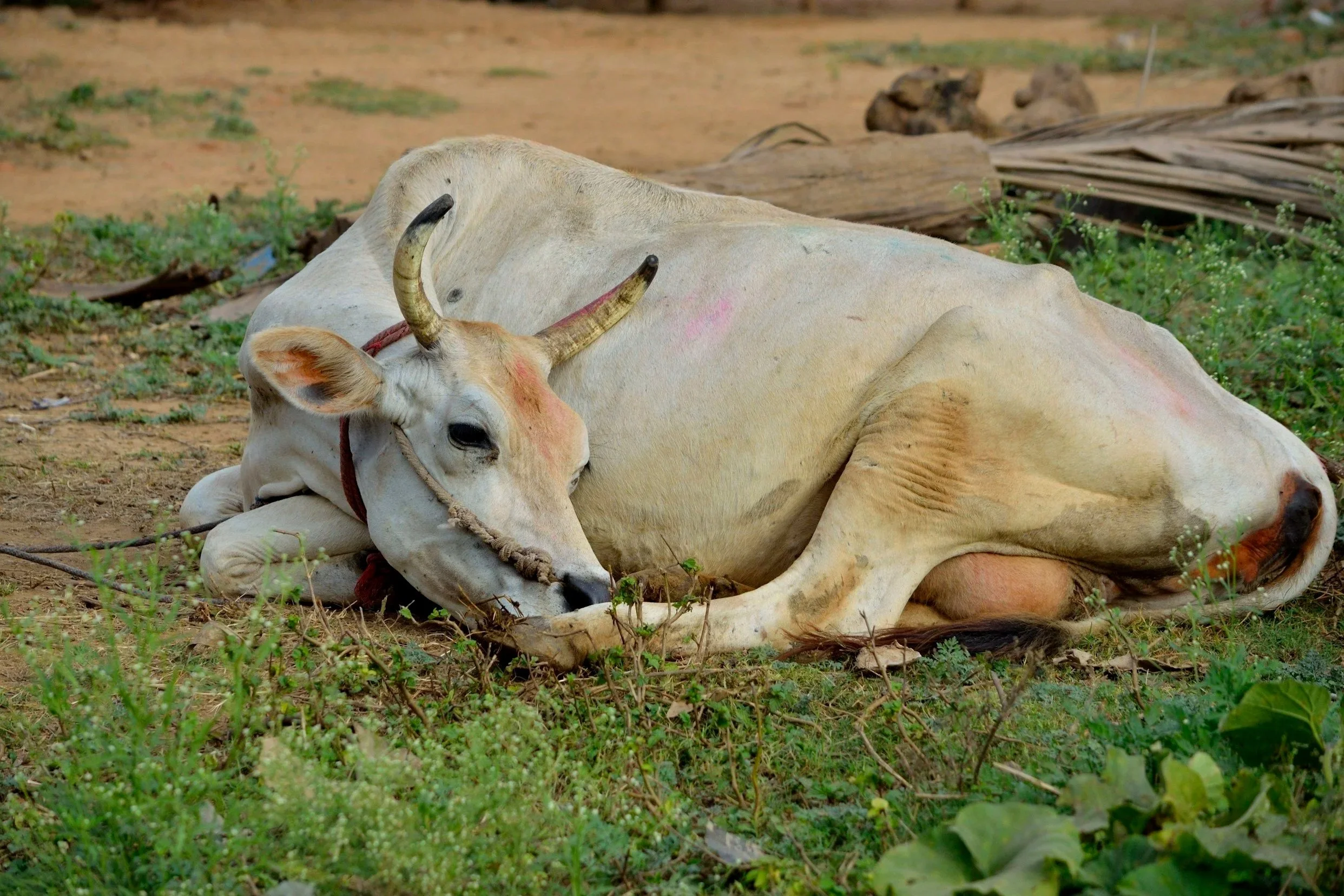
Traditional mozzarella, specifically Mozzarella di Bufala, comes from the Italian water buffalo. While India has an abundance of buffaloes (the largest population globally), the consistency and composition of milk between the two breeds are vastly different, which directly affect the curd's formation, its stretching ability (pasta filata), and the final cheese's taste and texture.
The Processing Factor
Processing plays a major role in how mozzarella turns out. In Italy, factors like pasteurisation temperature, pH, starter culture behaviour, and the natural bacterial profile of the milk are all finely tuned to the local conditions. In India, these factors behave differently due to variations in milk composition and climate. Even small shifts in acidity or heat treatment can alter how the curd forms and stretches, making it essential to adapt processing methods to the Indian context to achieve consistent, high-quality results.
The Labour & Skill Challenge
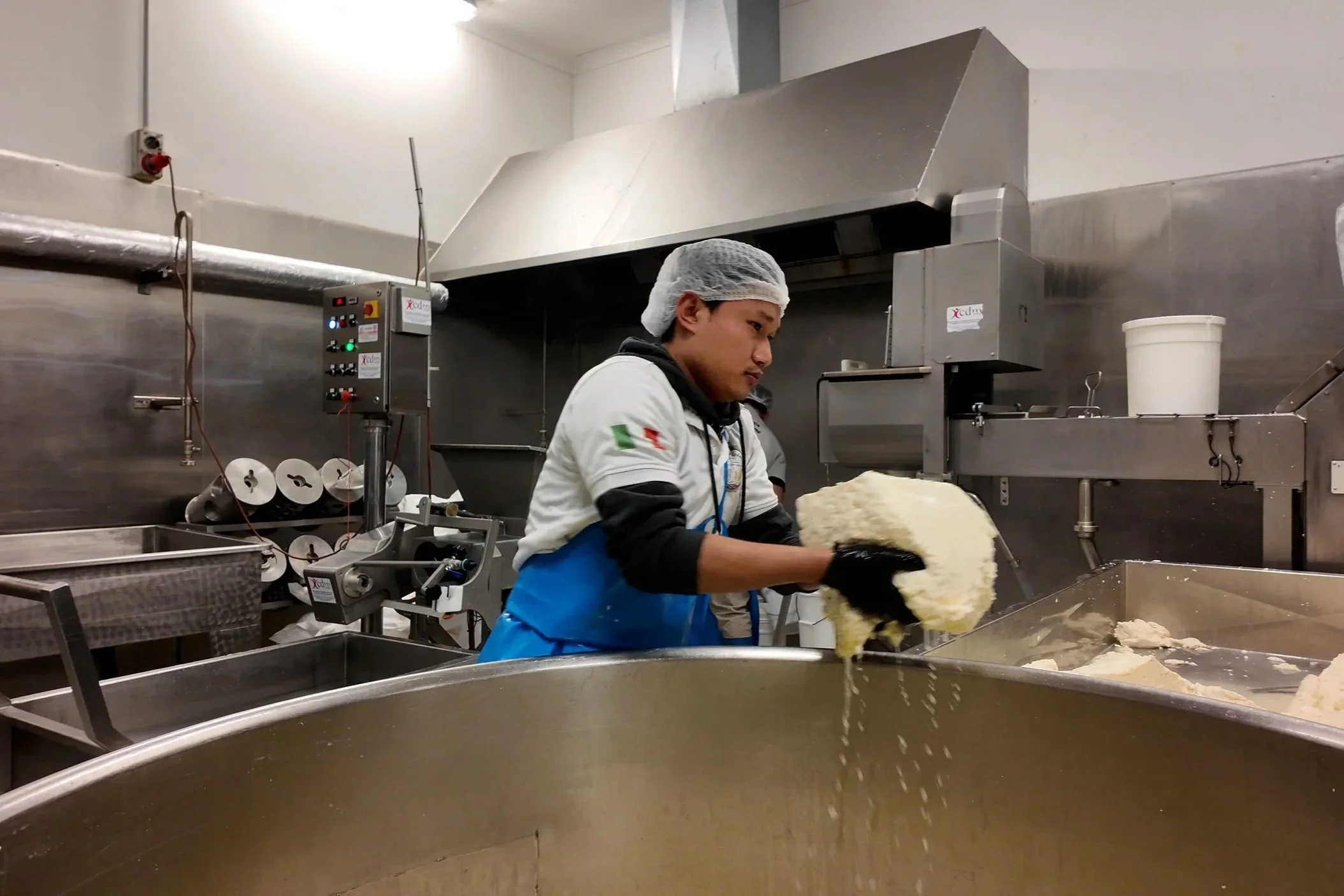
Italian mozzarella making is a highly skilled, labour-intensive craft. While India has a vast workforce, training individuals in these intricate techniques requires significant investment and time. Adapting traditional Italian craft to local labour practices requires a tailored approach.
The Path Forward: Adaptation Is the New Authenticity
Creating truly great mozzarella in India isn’t about copying Italy; it’s about reinterpreting it for the Indian environment. With the right milk quality, tailored processing, and training, India can craft world-class mozzarella that’s distinctly its own, yet rooted in Neopolitan heritage.
The White Revolution in the 1970s transformed India from a milk-deficient nation into the world’s largest dairy producer, showing the power of Indian farmers taking matters into their own hands. That legacy is to be continued: with the right consultation and support, India, and Asia, will become self-sufficient in world-class mozzarella production.